
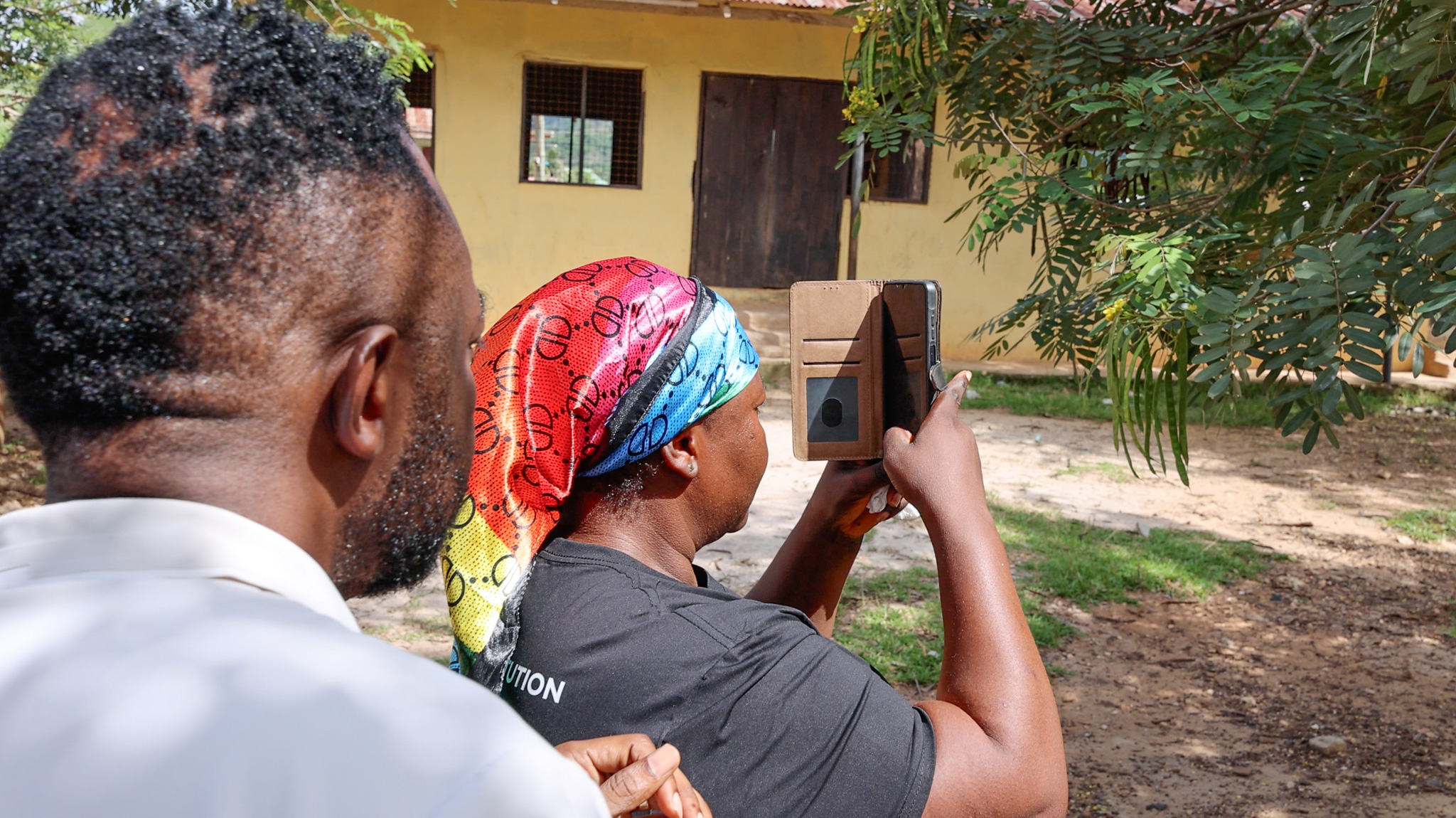
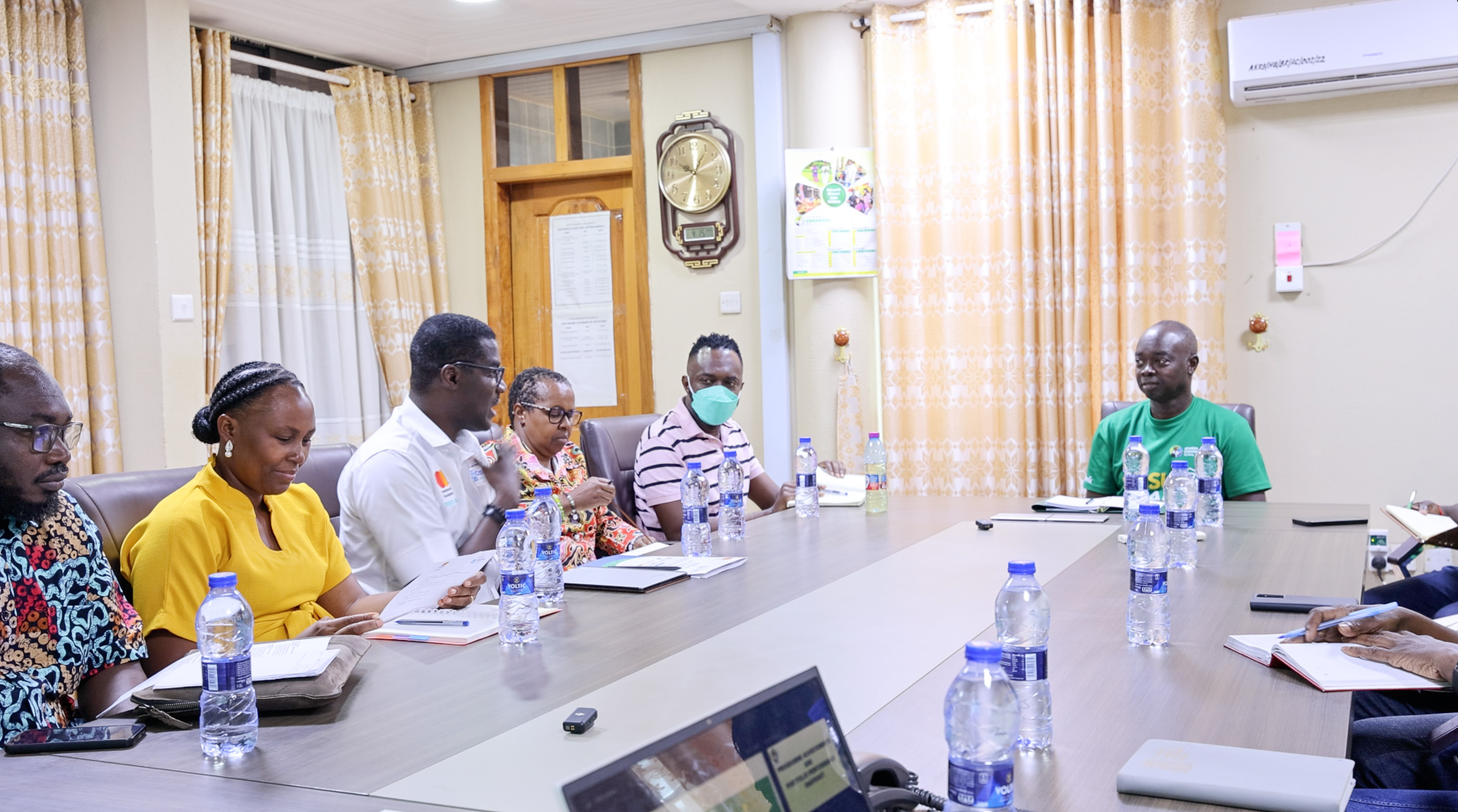
In April 2026, FIRST+II convened a multi-stakeholder field visit across Ghana’s Ashanti and Western Regions, bringing together key actors including the Mastercard Foundation, a CapitalPlus Exchange (CapPlus) director, partner financial institutions, and FIRST+II implementing partners.
The visit created an opportunity for the stakeholders to move beyond reports and dashboards to engage directly with the realities on the ground and experience firsthand how financial inclusion efforts are transforming lives, strengthening institutions, and unlocking opportunity at scale.
What emerged was not just validation of the program design, but powerful, human stories of resilience, growth, and systemic change.
At Atwima Kwanwoma Community Bank, discussions with leadership and staff revealed a clear trajectory of transformation. Through FIRST+II support, the bank is shifting from traditional collateral-based lending to more inclusive, cashflow-based approaches that increase underserved MSMEs’ access to finance.
This change is already visible in outcomes. Introducing products such as Adwuma Nkosuo expanded finance to previously excluded entrepreneurs, particularly women, who now represent nearly 80% of Adwuma Nkosuo borrowers. But beyond the numbers, the real story lies in what the loans make possible.
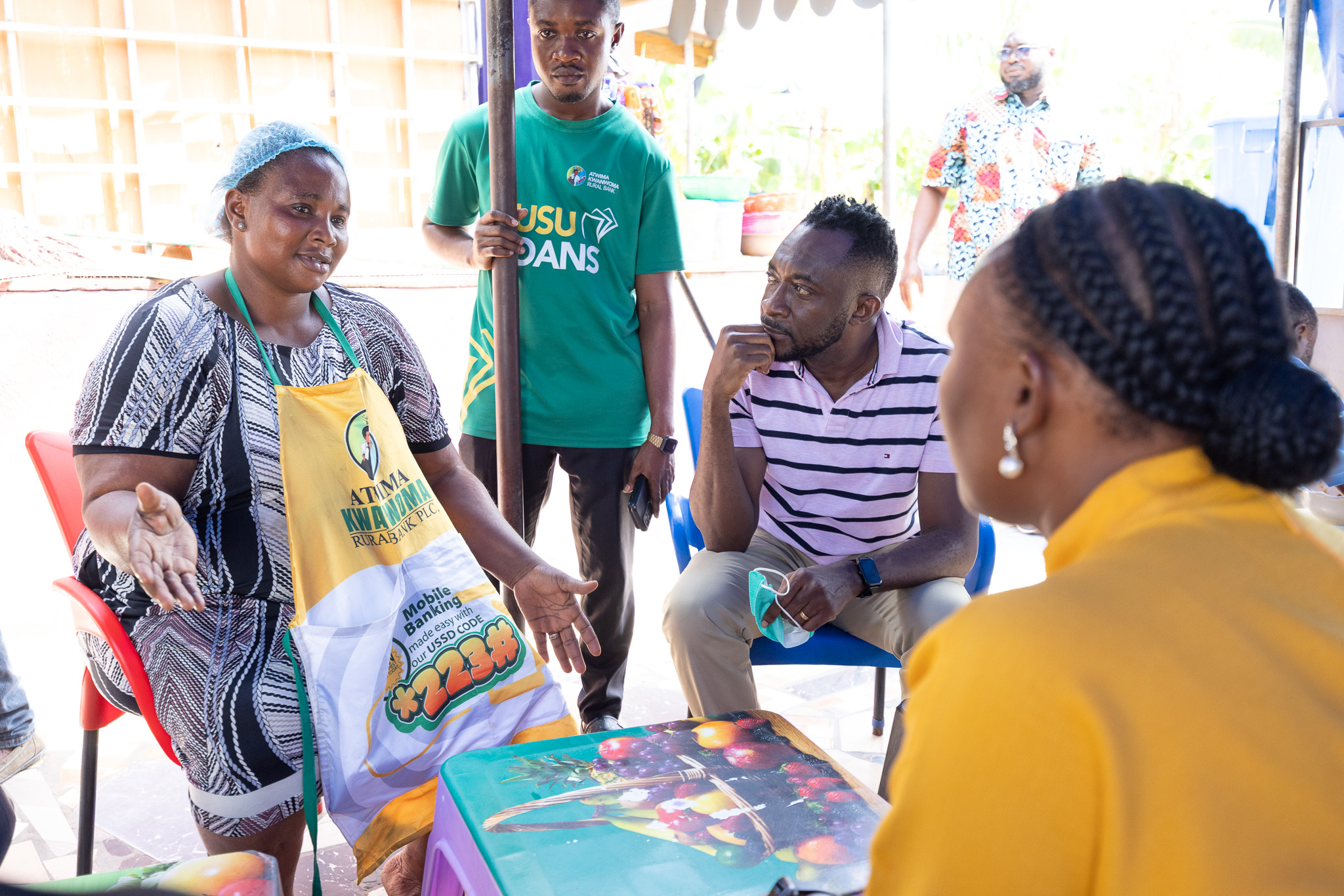
Across Kumasi and surrounding communities, entrepreneurs shared how access to finance has redefined their businesses. A salon owner upgraded her space and equipment, improving service quality and attracting a growing customer base. A small retailer diversified her business, adding new product lines and creating additional jobs.
“The financing I received has transformed my business. I’m now able to buy in bulk, which has significantly reduced my costs and increased my returns. I currently employ six people whom I pay daily, and honestly, words are not enough to express how tremendously my business has grown,” said Ama Adjeiwaa, owner of Efie Nkwan Chop Bar.
Each story reflects a consistent pattern: when financial barriers are removed, businesses grow, incomes stabilize, and jobs are created.
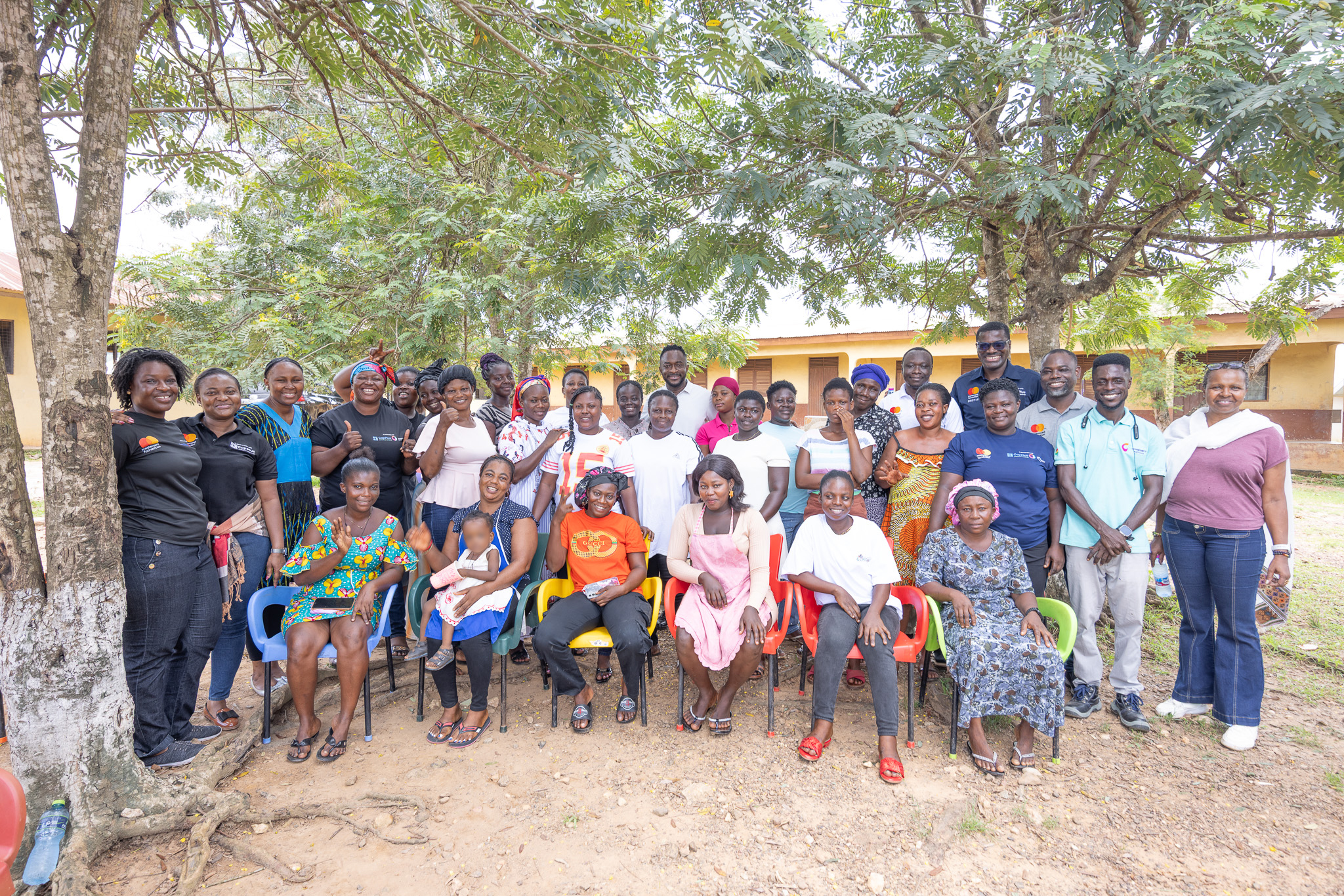
The visit to FIRST+II’s Opportunity International-supported interventions in the Western North Region highlighted a critical complement to finance: building entrepreneurs’ business skills. Through business development services (BDS), Farmer AI tools, and group-based learning opportunities, participants are not only increasing productivity but also transforming their outlook on what is possible.
Women farmers are reporting higher yields and improved household welfare. A single mother rebuilt her livelihood as a Farmer Support Agent, gaining both income and dignity. Young women are stepping into leadership roles within their communities, equipped with knowledge and confidence.
“After my divorce, it was difficult to keep up and take care of my five children. But through the training and the use of the Farmer AI tool, my cocoa yield increased from two bags to about six. With the additional income, I was able to buy an oven and start baking for extra income. Today, all my children are in school,” reported Salomey Owusu.
These outcomes reinforce a key program insight: sustainable inclusion requires both access to finance and the capability to use it effectively.
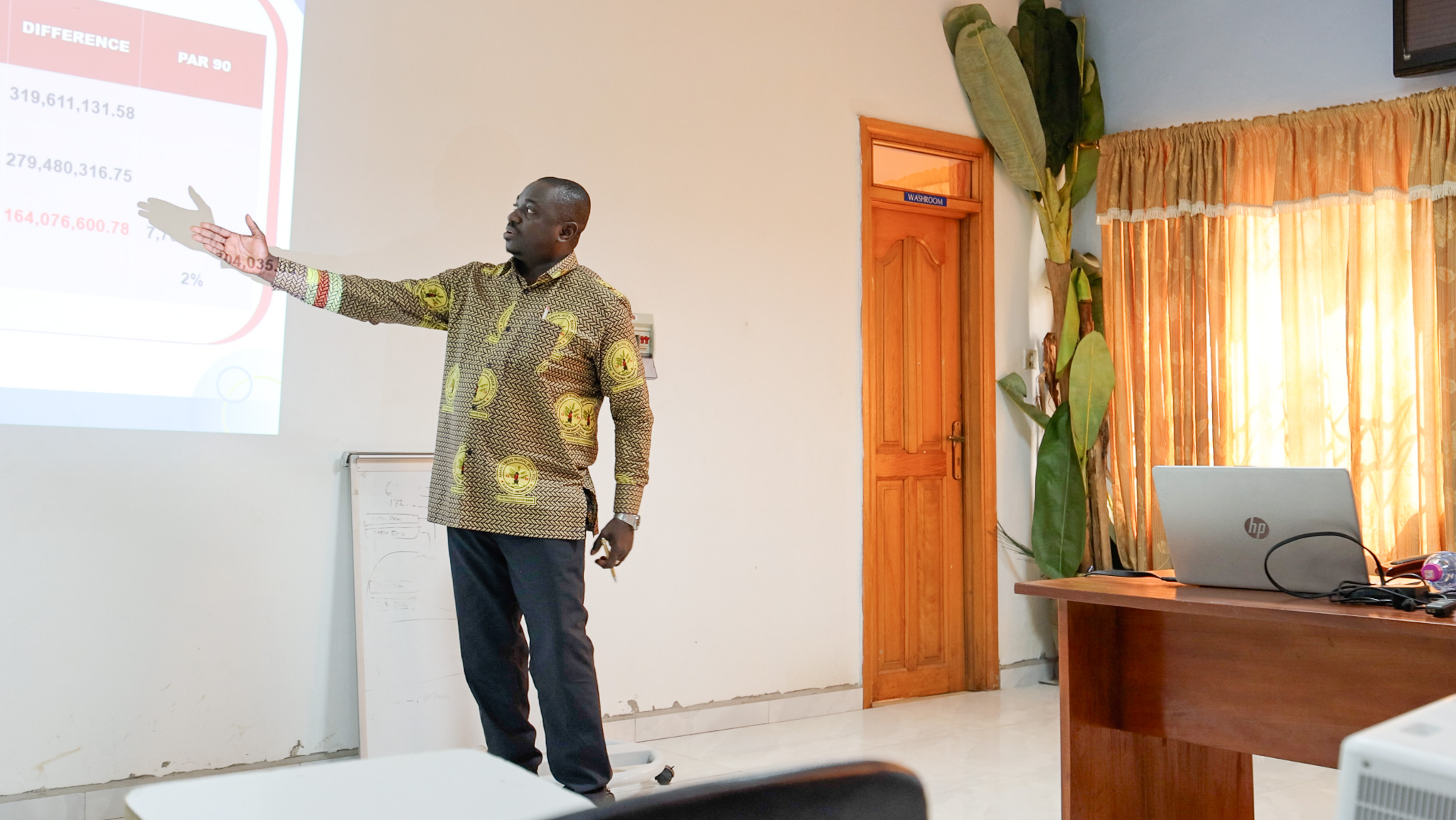
Engagements with Ahantaman Community Bank PLC further demonstrated how institutional strengthening translates into measurable impact. The bank’s growth trajectory is significant, expanding assets, deposits, and loan portfolios while deepening its focus on financing MSMEs and other underserved segments.
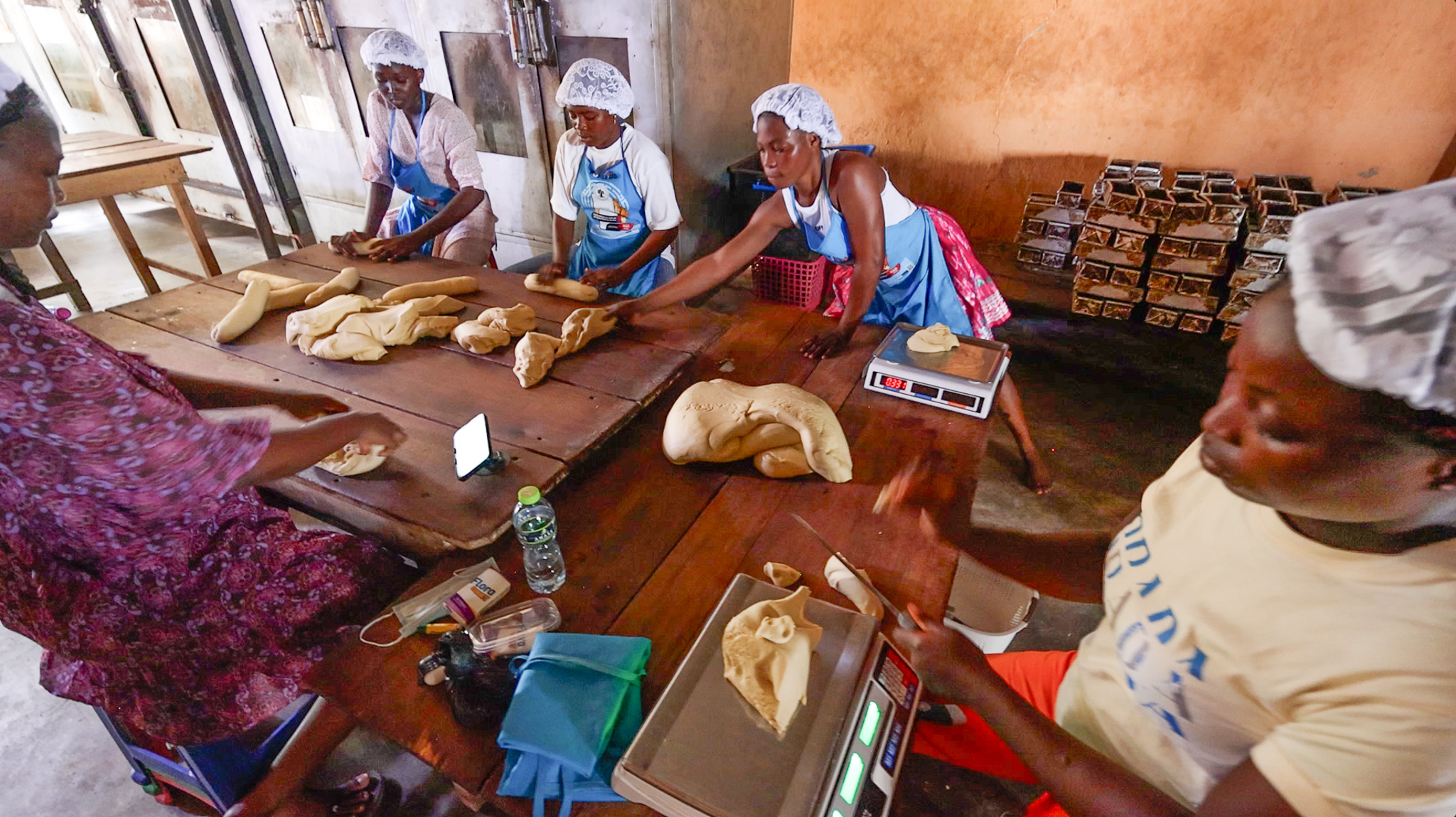
On the ground, this translates into a visible transformation. A food vendor transitioned to safer, more efficient operations, improving worker health and increasing profitability. A displaced caterer rebuilt and stabilized her business after a major disruption. A bakery scaled its production significantly, added equipment, and now employs ten people, most of them young women.
What the field visit ultimately made clear is that FIRST+II is not operating in isolation; it is catalyzing a system-wide shift. Financial institutions are evolving, products are becoming more inclusive, entrepreneurs are scaling, and communities are becoming more resilient. Importantly, women and youth who are often excluded from formal finance are increasingly at the center of this transformation.
The field visit reaffirmed a central truth: when the right strategy, partners, tools, and intent come together, impact is not incremental – it is exponential. From boardrooms to marketplaces, from training sessions to farms, the FIRST+II program is demonstrating how inclusive finance can move beyond access to truly drive opportunity, dignity, and long-term economic resilience.
The task ahead is clear: sustain, deepen, and scale these gains so that many more lives can be reached, and many more stories like these can be told.


