
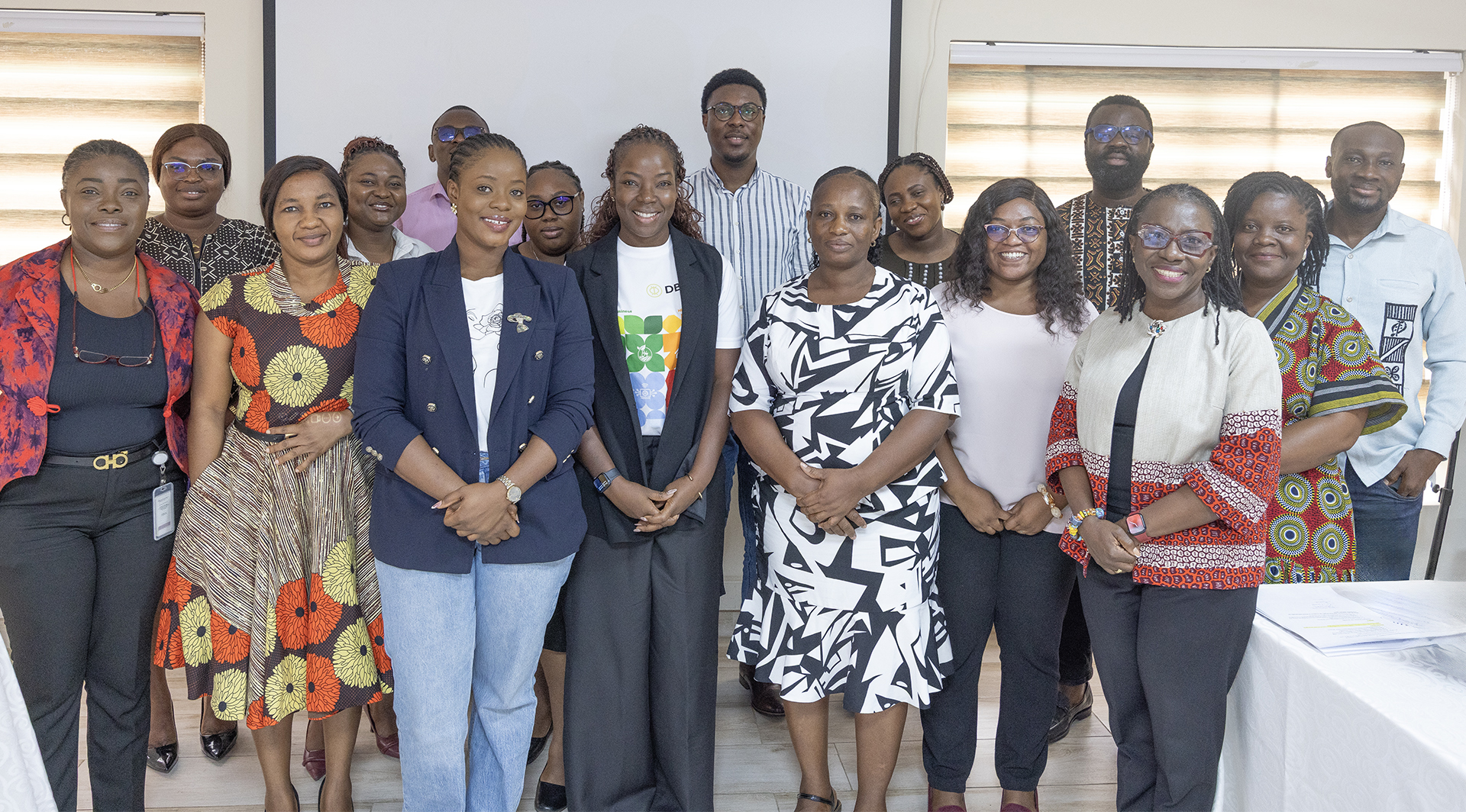
The FIRST+II Communications Community of Practice (CoP) held its third convening on July 30, 2026, at Susanna Lodge, Cantonments, hosted by METSS.LBG under the theme "From Data to Stories: Strengthening the Link Between MEL and Strategic Communications." Bringing together communications professionals of the FIRST+II implementing partners, the meeting explored how evidence can be transformed into compelling stories that not only showcase program achievements but also influence decisions, strengthen accountability, and inspire action.
Beyond a typical communications workshop, the convening challenged participants to rethink the role of communications within development programming. Rather than being viewed as a function that begins after program implementation, discussions emphasized that communications should be integrated throughout the program lifecycle, from design and implementation to monitoring, evaluation, and learning. This approach ensures that evidence is captured, interpreted, and communicated in ways that make program outcomes meaningful to diverse audiences.
Technical sessions were led by Felix Baidoo, Lead, Country Program Communications at the Mastercard Foundation Ghana, and Nana Adwoa Konadu, Senior Program Specialist, MEL/CLA at METSS.LBG, who shared practical frameworks for developing evidence-based impact stories and translating monitoring data into strategic communications products. Participants also engaged in hands-on group exercises and discussions on strengthening collaboration between MEL and communications teams.
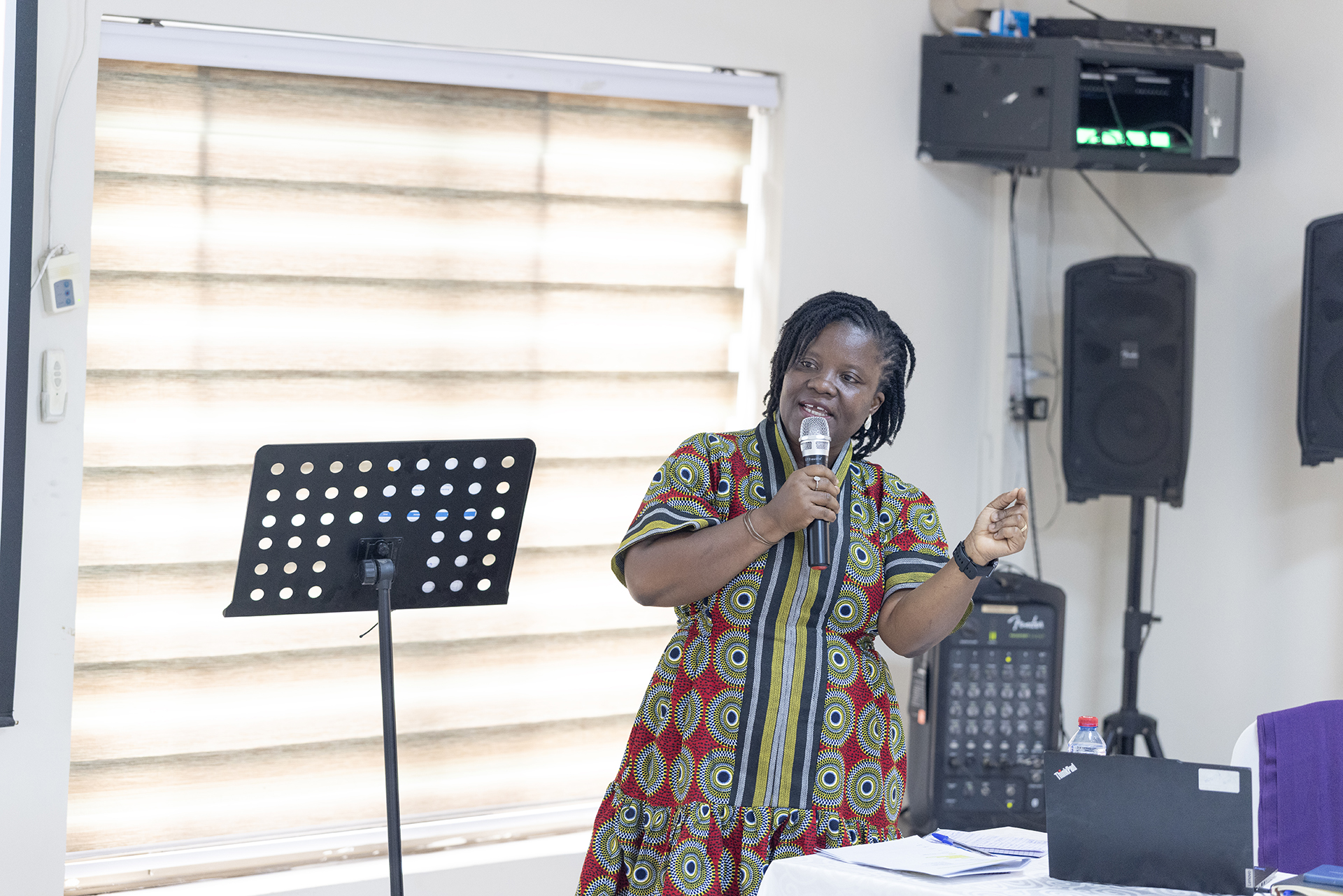
A central message throughout the convening was that data alone does not create impact, but insight does. While MEL provides the evidence by measuring results and verifying change, communications give that evidence meaning by helping audiences understand why those results matter and what actions they should inspire. Participants reflected on how development programs often generate significant amounts of data, yet much of its potential is lost when reporting focuses solely on numbers rather than the stories and lessons behind them.
Using practical examples, facilitators demonstrated that effective communications begins with asking better questions. Instead of reporting that a program reached a certain number of participants, communicators were encouraged to ask what changed in people's lives, why that change occurred, who benefited most, and what broader lesson the evidence reveals. These questions transform raw data into insights that can shape policy, influence investment, and strengthen program learning.
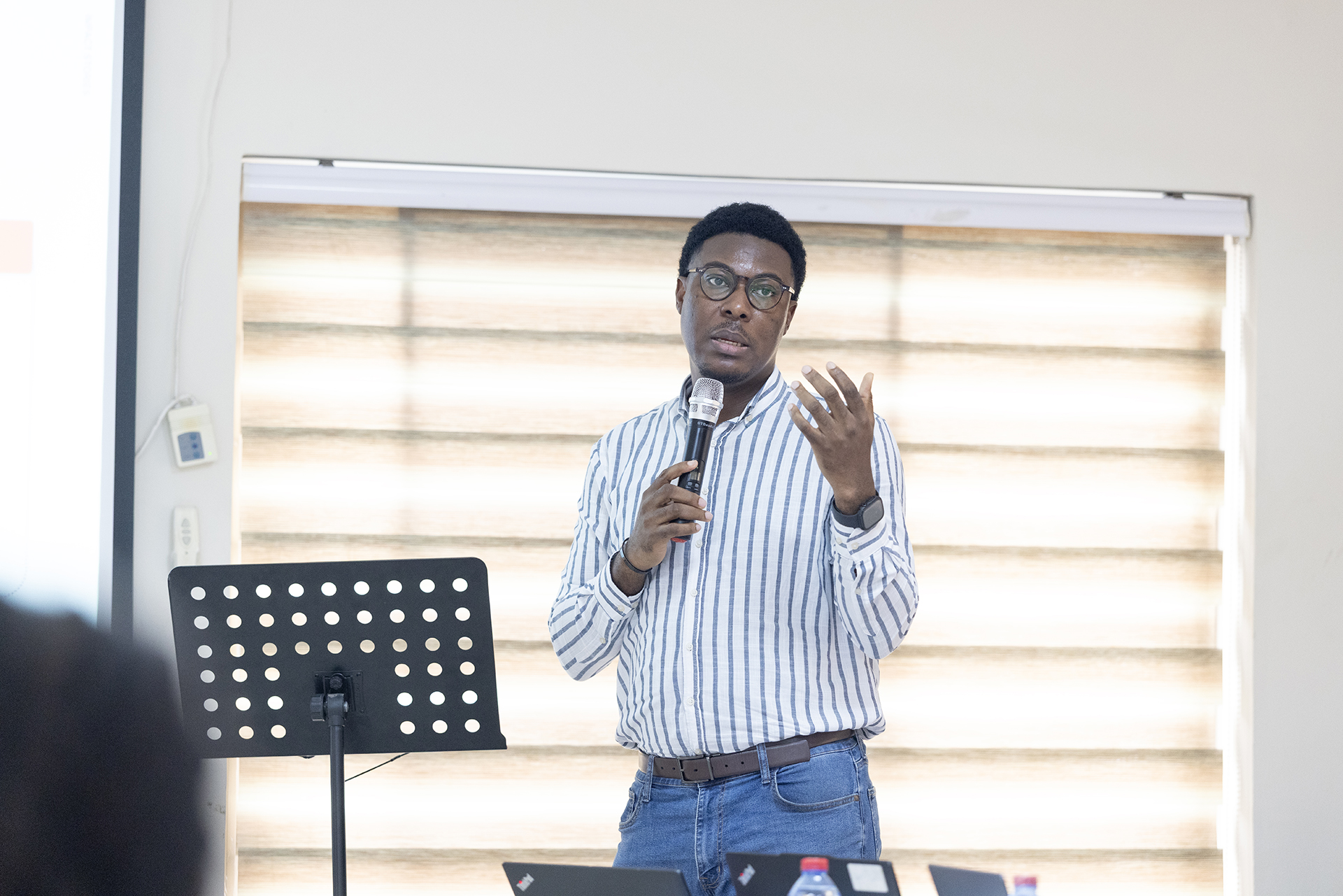
One of the highlights of the meeting was the introduction of the Mastercard Foundation Impact Story Framework, which distinguishes an impact story from a conventional human-interest story. An impact story is not simply a compelling narrative; it is human-centered, youth-led, evidence-based, and demonstrates measurable change at individual, institutional, and community levels while clearly illustrating the program's contribution. The framework encourages communicators to combine credible evidence with authentic human experiences, ensuring that stories are both emotionally engaging and grounded in verified program results.
Participants also explored practical tools for identifying, developing, and assuring the quality of impact stories. These tools help ensure consistency across partners while strengthening the credibility of stories used for donor reporting, advocacy, learning, and public engagement.
Another key takeaway was the importance of tailoring messages to different audiences. The same evidence may be interpreted differently depending on who receives it. Governments seek policy implications, donors want to understand development impact and value for money, implementing partners look for lessons to improve delivery, while communities and program participants are interested in how interventions affect their lives. Strategic communications therefore begin by understanding the audience's information needs rather than simply deciding what information to share.
The breakout sessions reinforced these concepts by giving participants the opportunity to work collaboratively with real program scenarios. Groups analyzed monitoring data, identified the underlying insight, selected representative human stories, and developed audience-specific communication messages. The exercises demonstrated that effective storytelling requires more than creativity; it demands evidence, critical thinking, and a clear understanding of program objectives.
Equally important was the recognition that communications and MEL should no longer operate as separate functions. When they work independently, valuable evidence often remains buried in reports, while stories risk lacking credibility. However, when both functions collaborate throughout program implementation, organizations are better able to communicate strong impact, support evidence-based decision-making, and strengthen stakeholder confidence.
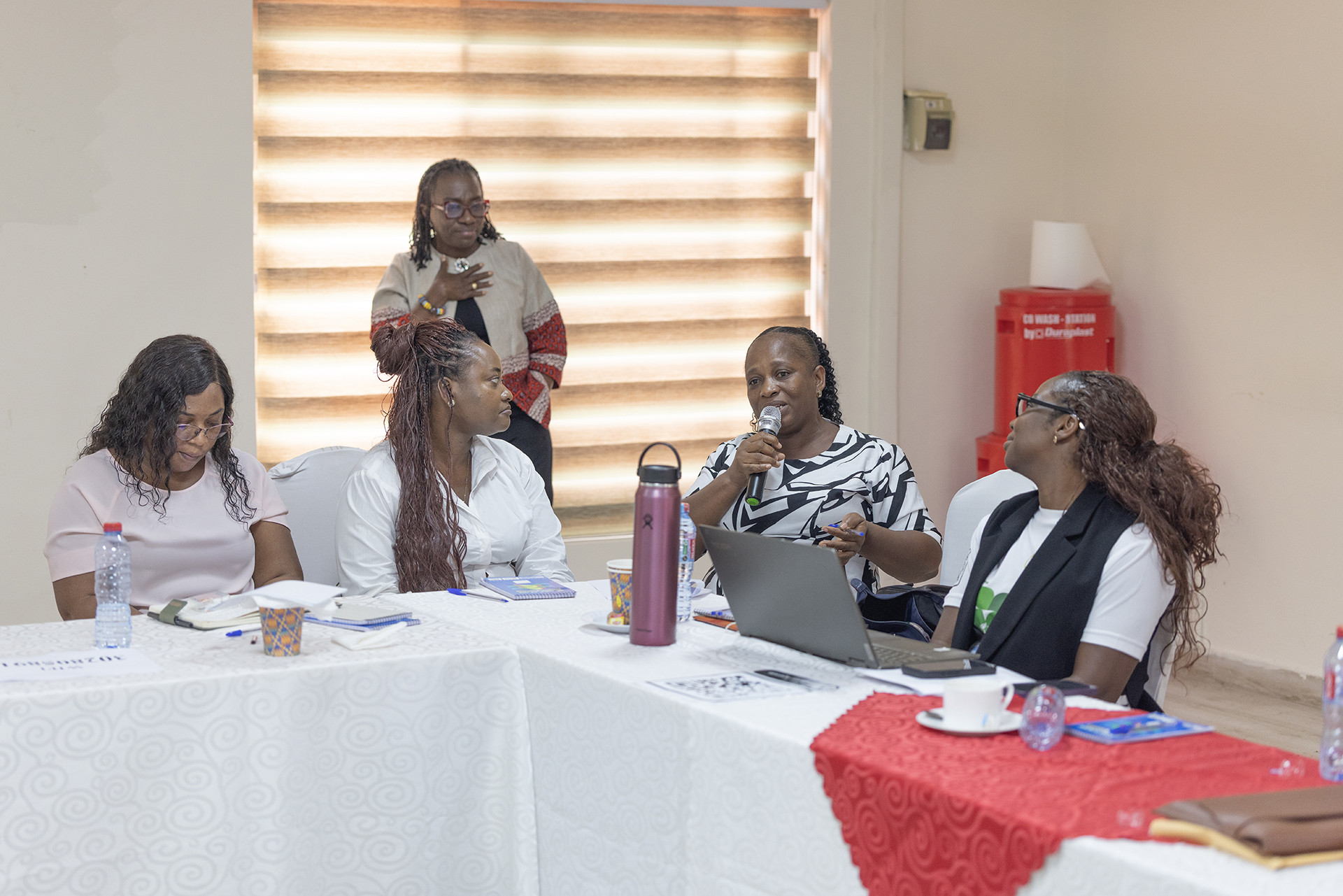
Beyond the technical sessions, the Community of Practice continues to play an important role in strengthening collaboration across FIRST+II implementing partners. By providing a platform for continuous learning, knowledge sharing and peer exchange, the CoP is helping to build a common standard for strategic communications across the program. This shared approach will contribute to more consistent messaging, stronger impact stories and greater visibility for program achievements.
As FIRST+II continues to expand access to finance and create dignified work opportunities for young people, particularly young women, the ability to communicate evidence effectively will become increasingly important. The third Communications Community of Practice reaffirmed that communications is not simply about telling stories; it is about translating evidence into understanding, learning into action, and program results into lasting impact.
By strengthening the connection between MEL and communications, FIRST+II is building a culture where every statistic has a story, every story is backed by evidence, and every communication product contributes to greater accountability, learning, and influence.


