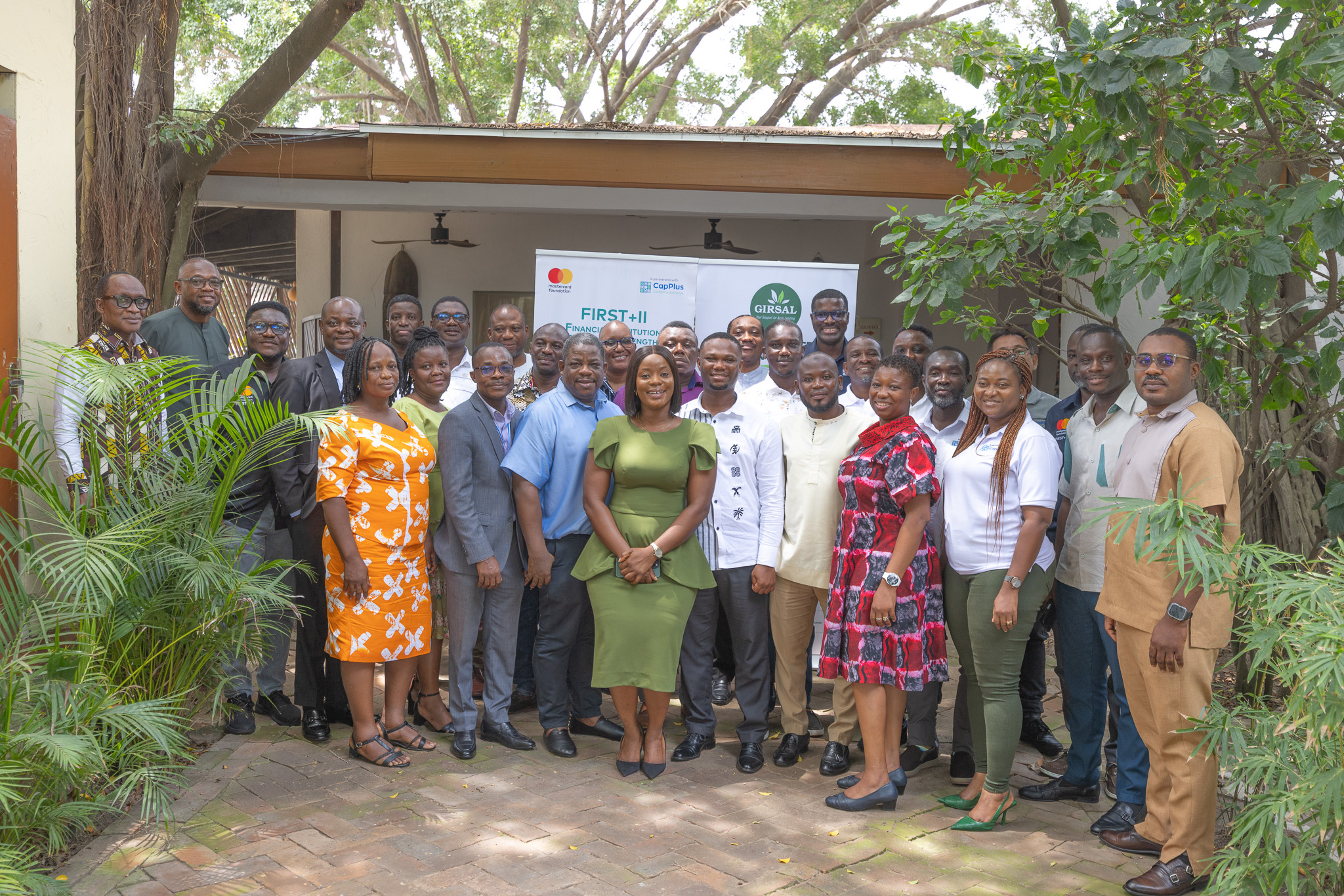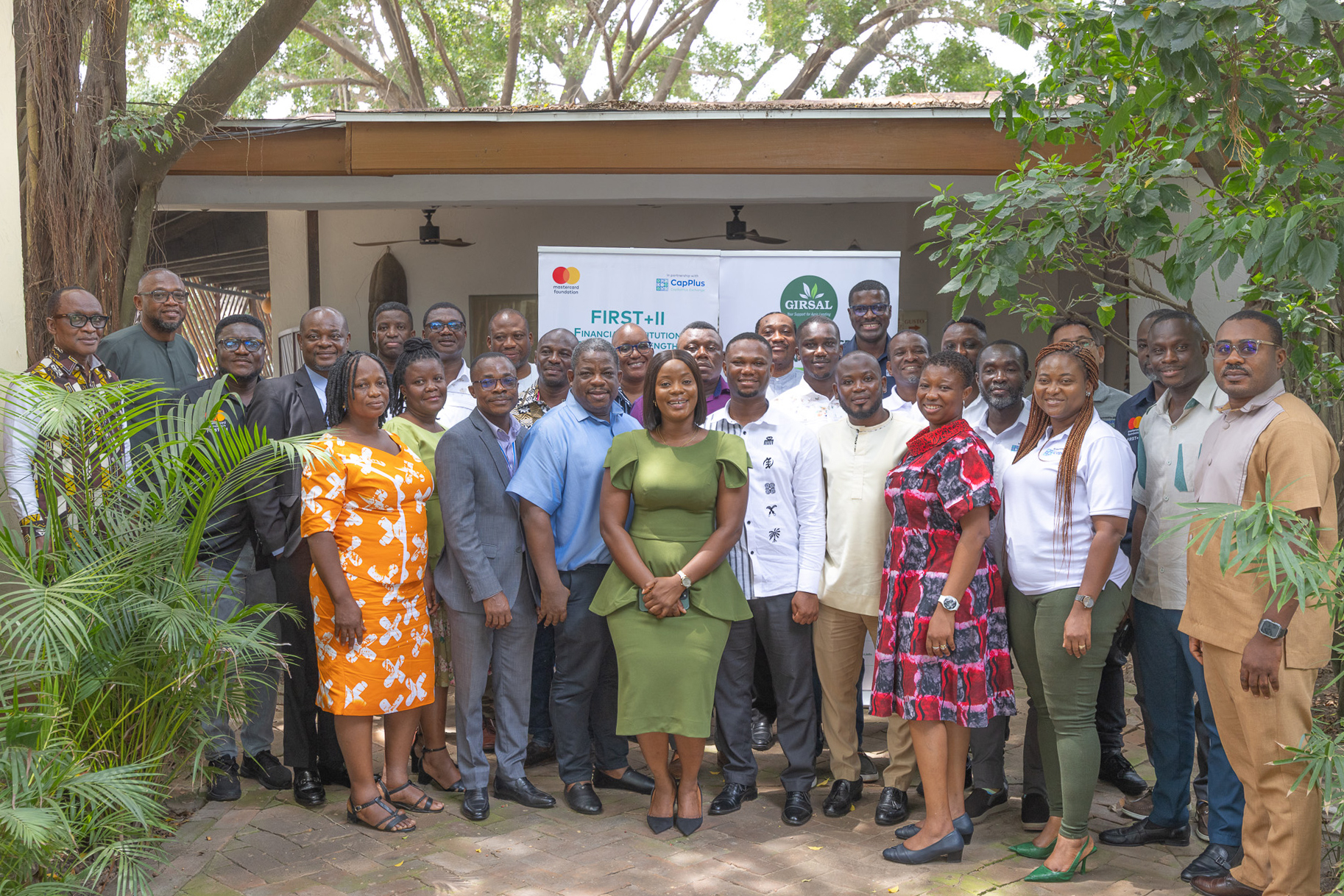
Partners under the Financial Institution Resilience and Strengthening (FIRST+II) Programme convened in Accra this week for a Stakeholder Feedback & Learning Session on the Loan Portfolio Guarantee (LPG), marking an important milestone in efforts to strengthen inclusive agricultural finance in Ghana.
The Loan Portfolio Guarantee (LPG) is a risk-sharing initiative designed to encourage financial institutions to lend more confidently and sustainably to priority sectors, particularly agriculture and MSMEs. Implemented in partnership with GIRSAL, the LPG partially covers eligible loan portfolios, reducing credit risk and strengthening institutional confidence. Beyond absorbing losses, the LPG serves as a market-building tool, promoting stronger credit appraisal practices, improved portfolio management, and a gradual transition toward sustainable lending that does not rely solely on guarantees.
The session brought together representatives from GIRSAL, CapPlus Exchange, partner Financial Institutions (FIs), and other program partners. More than a review meeting, the gathering served as a strategic pause and opportunity to reflect on progress, interrogate lessons, and examine whether the LPG pilot is influencing lending behaviour in meaningful ways.
Following its operationalization in June 2025, the LPG recorded strong early performance between July and December 2025. During this six-month period, the LPG has delivered encouraging results. Over GHS 14.9 million has been disbursed to 1,291 MSMEs, sustaining 11,105 jobs, including 9,419 held by young people. For many agricultural enterprises, the financing has supported production cycles, strengthened working capital, and preserved employment in rural communities.
But the emphasis throughout the session was clear: the true success of the LPG is not defined by volume alone.
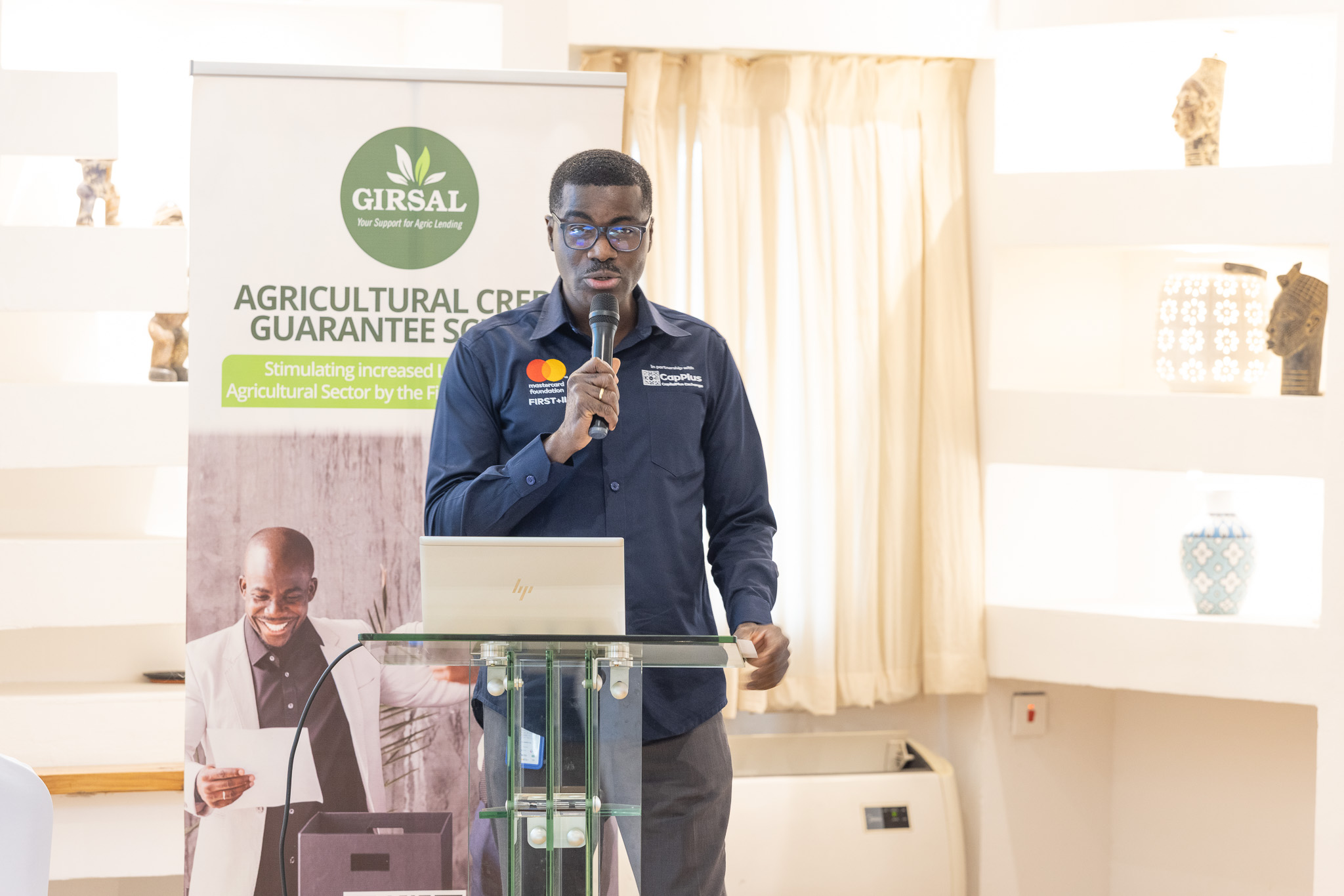
“The true measure of success is not simply the volume of guarantees issued. It is whether lending behaviour has evolved and whether decisions are more informed, more confident, and more sustainable,” noted Richard Obuobi, FIRST+II Program Director.
Early signs suggest that a shift is underway. Partner Financial Institutions, including Ahantaman Rural Bank, Mumuadu Rural Bank, Nsoatreman Rural Bank, Manya Krobo Rural Bank, and Pan Africa Savings & Loans, have all engaged actively with the LPG framework, with some already demonstrating tangible adjustments in lending practice. Notably, one partner institution reported reducing its cash collateral requirement from 10% to 5% for LPG-backed facilities, a practical adjustment reflecting increased comfort with agricultural lending risk. Others indicated that internal credit processes are being reviewed, with greater attention to structured pricing models and risk attribution.
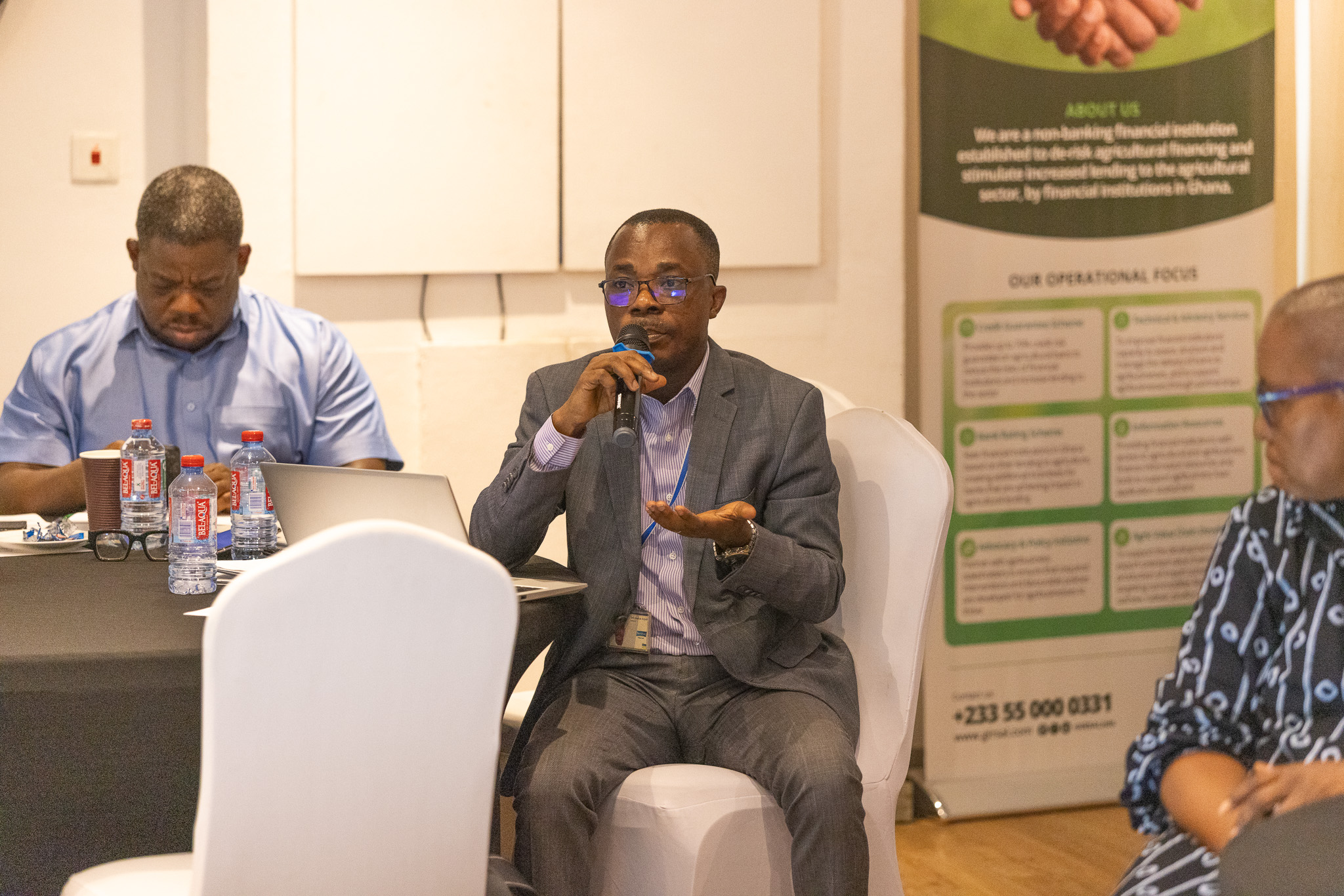
A representative from one partner Financial Institution shared during the panel discussion, “Initially, there was understandable caution. Agricultural lending has always required discipline. But the risk-sharing mechanism has opened space for deeper conversations at the board level. It is helping us think beyond traditional collateral and toward portfolio-based confidence.”
The discussion also explored pricing dynamics. With improving macroeconomic stability and the Ghana Reference Rate at 14.58% in February 2026, stakeholders examined how risk-sharing could translate into more competitive lending terms for MSMEs. The dialogue was constructive and collaborative, focusing on transparency in pricing models and ensuring that reductions in risk exposure are meaningfully reflected in loan structures.
Another panelist emphasized, “The key is sustainability. The guarantee should not create dependency. It should strengthen our systems to the point where, even without it, our confidence remains intact.”
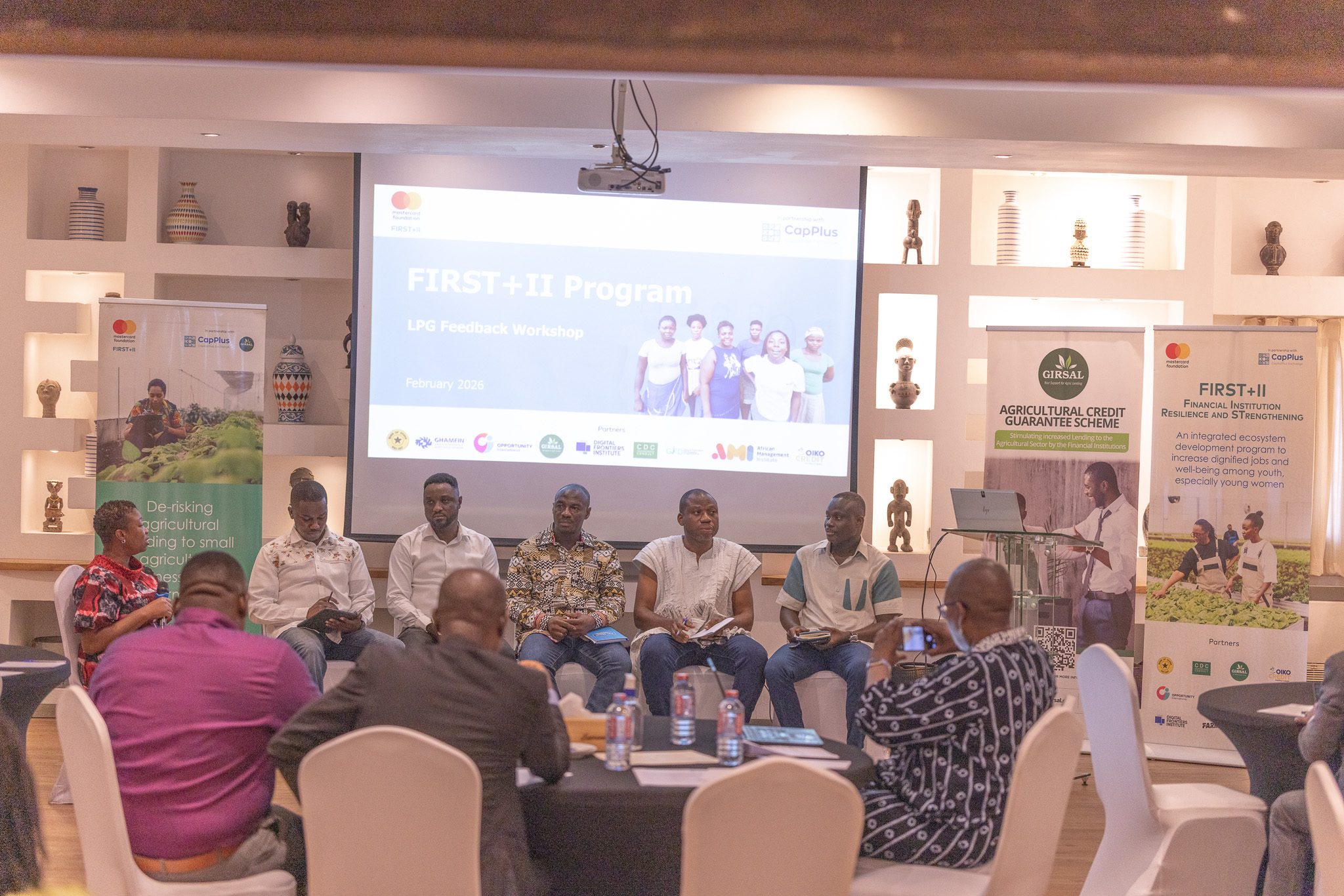
Throughout the session, institutions were candid about persistent constraints and operational realities such as an aging farming population against youth priority, making it difficult to meet program targets and serve the realities of the agriculture sector, amongst others. Participants agreed that scaling the LPG will require continued evidence of behavioural change, disciplined implementation, and ongoing refinement of the instrument based on field experience.
The workshop concluded with a shared commitment to strengthen alignment between risk-sharing, pricing decisions, and institutional systems. As one partner summarised, “If this pilot is to scale, it must do more than move funds. It must shift behaviour, expand opportunity, and demonstrate that agricultural finance can be both inclusive and commercially viable.”
The FIRST+ II Loan Portfolio Guarantee reflects a strong partnership between GIRSAL, CapitalPlus Exchange, Partner Financial Institutions, and Mastercard Foundation. Together, these institutions are advancing a shared objective: building a more resilient financial ecosystem that expands access to capital for agricultural MSMEs, particularly those that create and sustain jobs for young people.
Momentum is building. The results are tangible. And the collective resolve to deepen impact remains strong.